



Why Does My Child Have Meltdowns at Home but Not at School?
Many parents wonder why their child has meltdowns at home but not at school. A child who appears calm, well behaved, and cooperative in the classroom can suddenly have big emotional outbursts once they get home. This can feel confusing and worrying for parents. In reality, this pattern is extremely common. Children often hold their feelings in during the school day and release them later in the place where they feel safest.
Many parents notice something confusing.
Their child seems to cope well at school.
Teachers describe them as calm, polite, or well behaved.
But once they get home, everything falls apart.
Suddenly there are:
• meltdowns
• tears
• anger
• shutdowns
• big emotional reactions that seem to come from nowhere
If this sounds familiar, you’re not alone.
This is actually very common, and it often tells us something important about how children manage their feelings throughout the day.
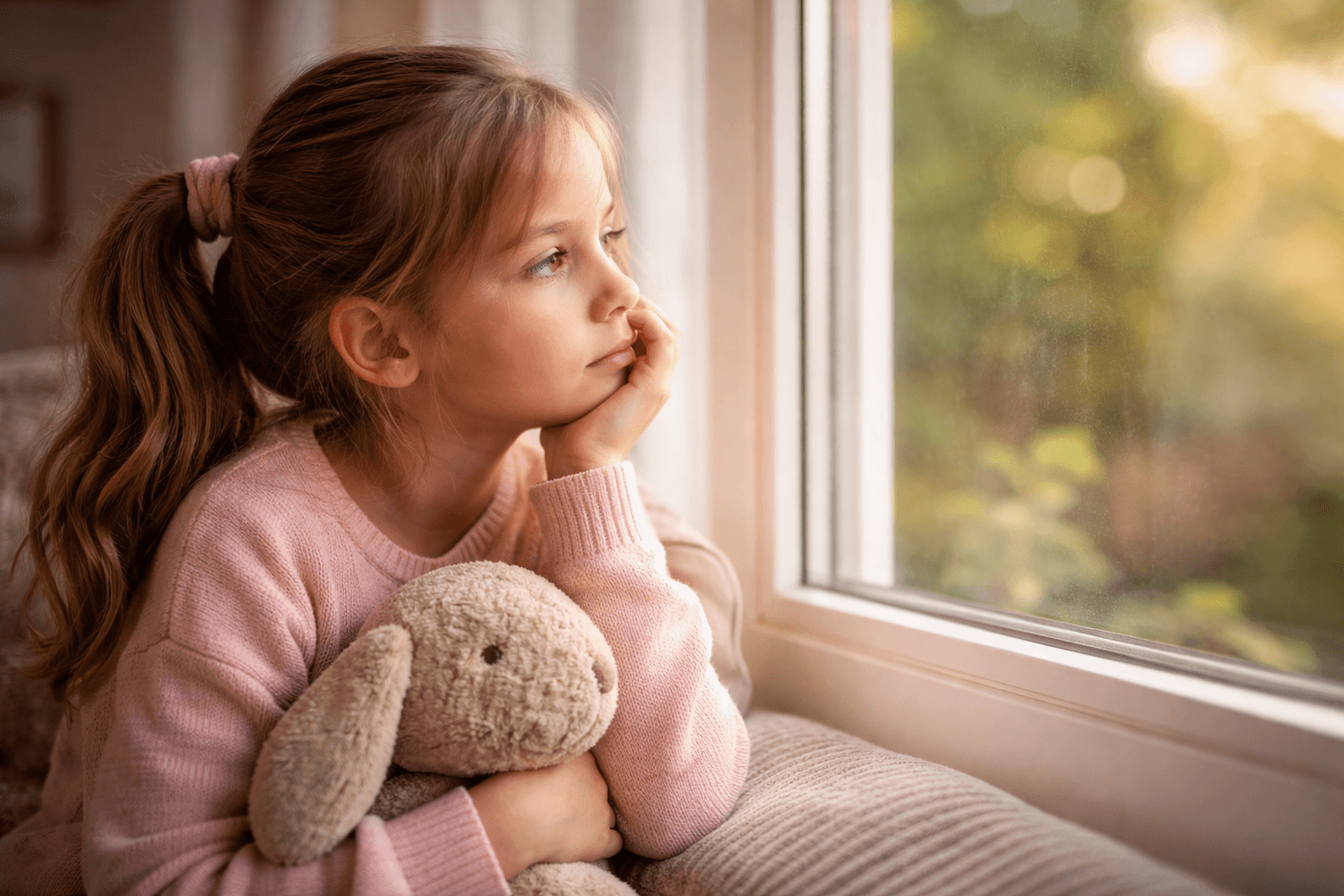
Children Often Hold Things In Until They Feel Safe
School environments require children to manage many demands at once.
They are constantly:
• following rules
• navigating friendships
• responding to adults
• managing noise and stimulation
• trying to do the “right thing”
To cope with all of this, many children hold their feelings in.
Psychologists sometimes describe this as masking.
Masking means a child works very hard to keep themselves together in environments where they feel watched, evaluated, or unsure.
They may:
• stay very quiet
• try to behave perfectly
• hide frustration or overwhelm
• push uncomfortable feelings down
This takes a huge amount of emotional energy.
By the time they get home, their nervous system has often been working hard all day.
And when they finally arrive somewhere that feels safe, those feelings can come out.


Home Is Often the Safest Place to Release Emotions
Although meltdowns can feel worrying or exhausting, they sometimes tell us something reassuring too.
Your child may feel safe enough with you to let their guard down.
When children feel safe, their bodies stop holding everything so tightly.
All the feelings they managed during the day can finally move.
This can look like:
• sudden tears
• anger over small things
• big emotional reactions
• shutting down or withdrawing
• appearing “fine” one moment and overwhelmed the next
While it isn’t always easy to manage, it often reflects a child whose body is finally able to release the pressure it has been holding.
Children Naturally Adapt Their Behaviour to Different Environments
Children are very observant.
They quickly learn how to adjust their behaviour depending on where they are and who they are with.
Their nervous systems are constantly scanning for cues about:
• safety
• expectations
• approval
• possible conflict
This means a child may behave differently depending on the situation.
For example, they might:
• become very careful in environments where they feel watched
• stay quiet to avoid attention
• try hard to please adults
• hide big feelings until they feel safer
These behaviours are often protective coping responses, not bad behaviour.
They are the child’s way of navigating the world around them.
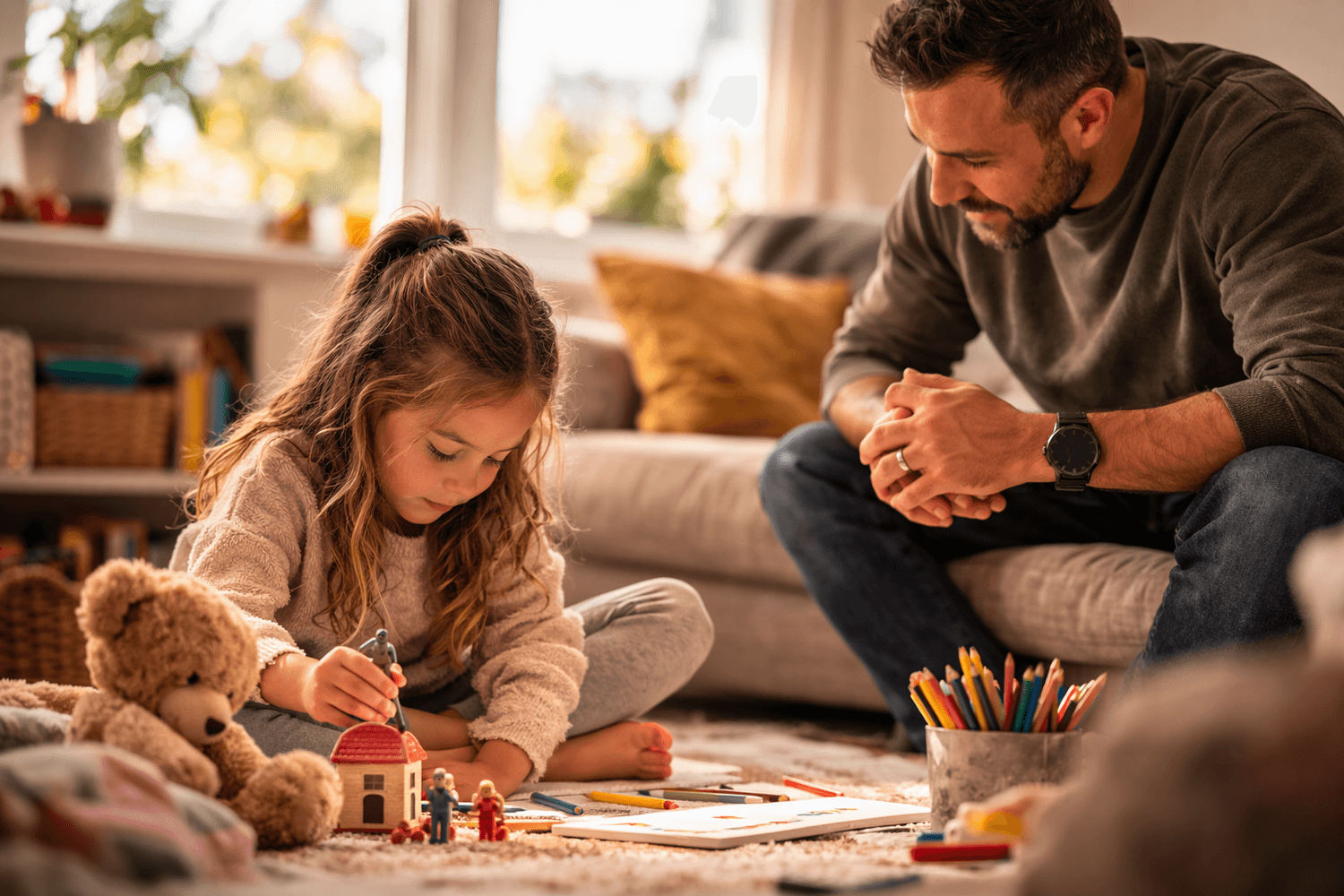
What Helps Children Make Sense of These Feelings
When children experience these emotional build ups, one of the most helpful things
we can offer is language.
Children often feel overwhelmed by emotions they cannot yet explain.
Safe language helps them understand:
• what is happening inside their body
• why their feelings feel so big
• that their reactions make sense
• that they are not “too much” or “difficult”
The most important part of these conversations is keeping them free from shame and blame.
Children need to feel that their feelings are welcome and understandable.
When we respond with calm curiosity instead of judgement, it becomes much easier for them to begin making sense of their inner world.
Helping Children Understand Their Emotional Storms
This is exactly the idea behind my book Alex and the Storm.
The story gently helps children understand what it feels like when big emotions build up inside them, and why those feelings sometimes come out suddenly once they reach a place that feels safe.
It introduces children to the idea that their reactions are not something to feel ashamed of, but something that can be understood.
If your child struggles with big feelings after holding everything together during the day, this story may help them recognise their own experience and feel a little less alone.
Let us know what you think in the comments!
YOU MIGHT ALSO LIKE

About Ashling
.I help safe parents talk to their children about the other parent, calmly and without blame.
Lived experience, a degree in childhood and psychology, and children’s books used in domestic violence centres and court family rooms.
Not sure where to start? The Safe Parent Starter Kit, $27”
Why does my child act like this after contact?
Get my free guide and find out what their behaviour is really telling you.
No spam. Unsubscribe anytime.”
© 2026. All Rights Reserved